Cross docking looks deceptively simple. A truck backs into a door, cases or pallets come off, they cross a short stretch of concrete, and they go back onto an outbound trailer. No storage, barely any dwell time, minimal touches. The magic lives in what happens between those doors, and most of that magic depends on how you slot your staging lanes. Good slotting keeps freight flowing. Bad slotting creates islands of stranded product, clogs doors, and forces last‑minute reshuffles that burn labor and damage trust with carriers and customers.
I have spent enough nights in cross dock facilities to know that a perfect cube on paper becomes chaos when three inbound schedules slide by an hour, an e‑commerce promotion breaks demand patterns, and an outbound driver calls to say he is early. A resilient lane strategy accepts this messiness, then shapes it. It gives crews confident defaults and fast decision rules, and it binds the warehouse management system to markings on the floor so people and software tell the same story.
What follows is a practical framework for slotting staging lanes in a cross dock warehouse, with the trade‑offs made explicit. The exact mix will vary, but the core questions stay the same. What determines lane assignment? How do we prevent congestion? Where do we stage exceptions? How do we keep the WMS and the concrete aligned? And how do we revisit the plan as volumes and customer promises evolve?
Start with the flow, not the floor plan
I have seen operators rush to paint lines before they understand the blend of their flow. The right slotting grows out of a few basic patterns.
A parcel‑heavy cross dock with high SKU counts and small touches needs dense lane identifiers and good scan discipline more than it needs deep lanes. A pallet network with predictable milk‑runs thrives on fewer, deeper lanes keyed to route and departure window. A retail replenish model will often split by store or by region, and if appointment windows are tight, it will prioritize proximity to the doors that cycle fastest.
Track a representative week. Map inbound and outbound by hour. Note average dwell time and variance. Count touches by customer, route, and service level. You will likely find that 20 to 30 percent of lanes handle 70 percent of the volume. Those deserve prime positioning, closest to the doors with the cleanest apron and the best lighting. Put the long‑tail lanes where walking an extra 20 seconds won’t hurt you.
When you begin with flow, the eventual marks on the floor reflect lived reality rather than an architectural drawing.
Define the unit of control
Staging works only if you are clear about what you stage. Are you moving full pallets, mixed pallets, or loose cartons? Do you create outbound shipping units at the lane, or upstream during sortation? A lane strategy for full pallet cross docking differs from one that breaks and rebuilds pallets into store‑specific assortments.
For full pallets, deep lanes with clear headroom lines reduce jockeying. I like to spec depth by typical outbound lot size. If a route averages 22 pallets with a standard deviation of 3, then a 26‑pallet lane with visible count markers keeps you from creeping into the adjacent lane. For mixed or case‑pick heavy cross docks, wide shallow lanes paired with modular pick pods improve ergonomics and supervision. You want room for two associates to work without stepping into the travel path.
When units vary, the WMS must settle the question. The system should identify the staging unit at the moment it drops a task to the RF gun. If the software thinks in LPNs but the floor is building mixed pallets on the fly, friction multiplies. Pick a unit of control, document it, and train to it.
Choose the primary slotting key
There are only a handful of defensible ways to decide which freight lives together in a lane. Each has a logic and a set of compromises.
Route‑based slotting clusters freight by the outbound route or carrier. This is the default inside many cross dock services networks because it aligns with how trailers load and drivers check in. The upside is simplicity. The downside is exposure to route imbalance. One hot route can choke prime floor space while a dozen cool routes spread thin.
Door‑based slotting assigns lanes to outbound doors and flexes on demand. Great when deal terms tie you to fixed doors for specific carriers. Risky if door utilization is uneven, because the lanes behind a slow door go underused while crews sprint across the floor to feed a busy one.
Departure‑time slotting groups freight by when it must leave. This is the strongest throughput play. Brokers love it because it protects on‑time performance. The catch is that you need excellent time accuracy from your transportation management system, and you must enforce scan discipline to prevent late‑departs from being buried behind early‑departs.
Customer‑centric slotting puts freight together by retailer or consignee. It shines when you ship strict vendor compliance loads or when customers audit handling. It creates clean audit trails and reduces misloads. The cost is fragmented lanes, which can slow moves if you have dozens of small customers on a single wave.
Hybrid slotting usually wins. For example, define primary lanes by departure window, then within each window color‑code or sub‑zone by route. Or allocate dedicated lanes for two or three anchor customers that dominate volume, and keep the rest on flexible time‑based lanes. The point is to anchor on one logic first, then layer a secondary that improves visibility without confusing crews.
Hard numbers that matter on the floor
A lane that looks right from the mezzanine can fail if simple geometry gets ignored. A few numbers to calculate early:
- Lane width and clearance. If you run sit‑down forklifts, 12 feet center‑to‑center between lane lines prevents mirror clashes when two trucks meet. Electric pallet jack operations can work at 10 feet. Add a two‑foot buffer beyond the painted line to absorb drift. Depth by typical build size. For full pallets, plan depth for the 85th percentile outbound lot size. For case builds, design depth around how many mixed pallets a team can assemble within the departure window without double‑handling. Aisle crossovers. Place a crossover every 80 to 120 feet so associates do not walk the full length to change sides. Mark them with a distinct color and keep them clear. Scan posts and signage height. A 6 to 7 foot sign visible above stacked pallets keeps the pick path clear. Avoid waist‑high placards that disappear behind product. Dwell time buffers. If average dwell sits at 45 minutes with spikes to 2 hours on bad days, size overflow lanes that absorb the spikes without blocking the main travel path.
These are ranges. The right figures depend on your equipment, product, and safety rules. But putting numbers on these basics saves far more time than it costs.
Lane identities that humans and systems can both read
Nothing drains speed like a misaligned label. The WMS might tell the operator to drop into lane T‑14 while the floor shows “Door 14 East” in faded paint. Every cross dock facility should create a short, human‑pronounceable lane code that the system also knows, then display that code where it cannot be missed. Use large, high‑contrast lettering. If you use barcodes or QR for lane scans, mount them where a driver can scan without dismounting.
I like a three‑part code: zone, sequence, and qualifier. For example, A12‑PM, where A is the zone on the west side, 12 is the lane sequence closest to Door 12, and PM indicates the departure half‑day. That code maps to a single WMS location ID. If you later reassign A12‑PM to a different route, the code stays the same, and only the routing table changes. People do not have to relearn floor geography.
Color helps, but do not rely on it alone. In a busy cross dock warehouse, dust and daylight shift color perception. Use color to indicate broad buckets, like AM vs PM or dedicated vs flex, then let words and numbers carry the details.
Dedicated lanes, flex lanes, and how to balance them
The temptation is to dedicate lanes to every recurring route. It gives a sense of control. The cost is stranded space during low tide. A better practice is to dedicate only your high‑frequency, high‑volume flows and keep everything else flex.
A common starting point is 60 to 70 percent dedicated lanes, 30 to 40 percent flex. That mix suits a network where the top 10 to 15 routes dominate volume. In seasonal businesses or with volatile inbound patterns, flip it. Keep just 40 percent dedicated, and expand the flex pool. Flex lanes live toward the center of the building where travel time is shortest from most doors. Dedicated lanes hug the doors used by those routes to minimize cross‑traffic.
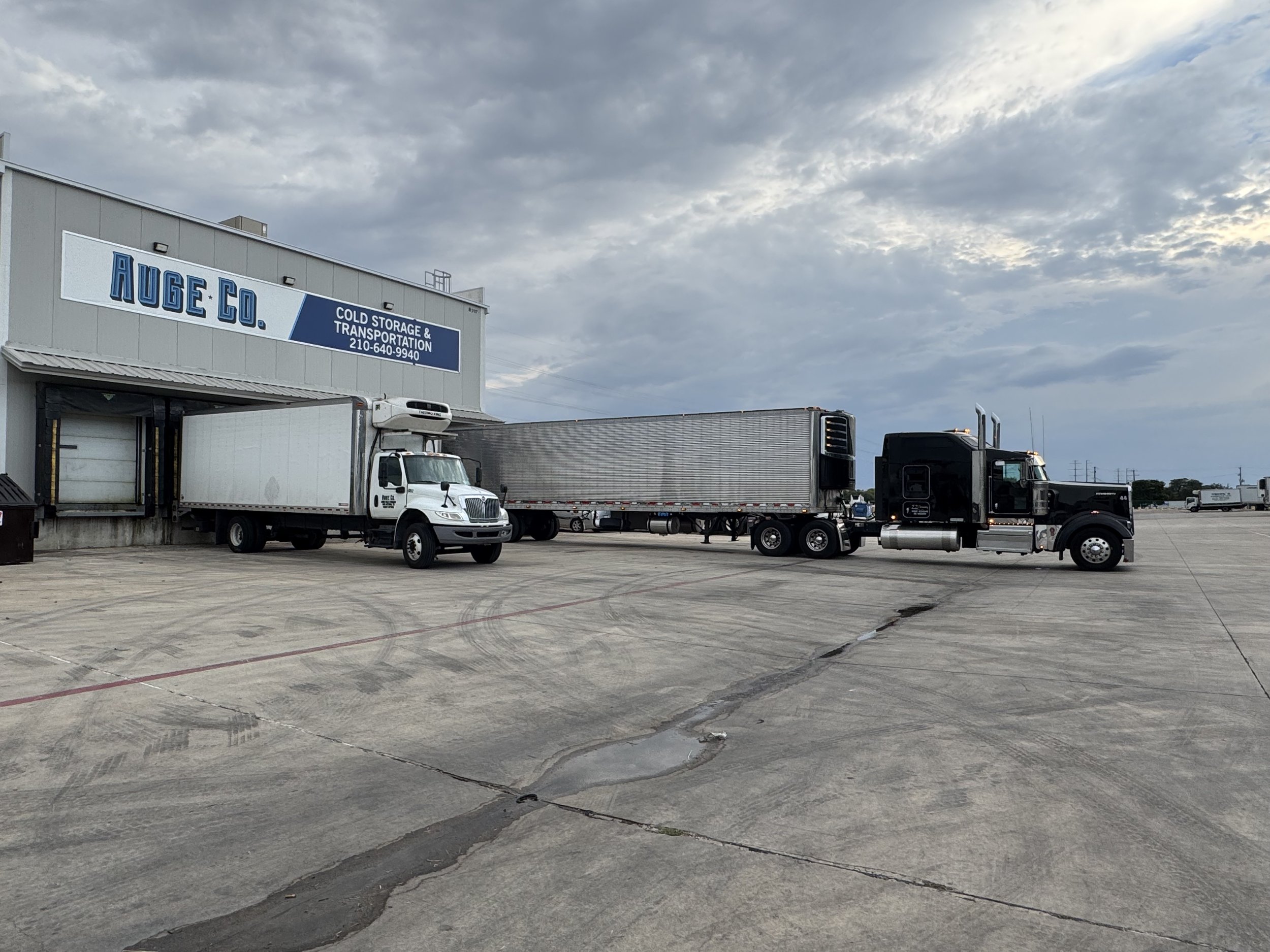
Flex works only with strong ownership. Assign a lead who acts as “air traffic control” for the flex pool during each cross docking services Auge Co. Inc. shift. When inbound forecasts shift, that person moves magnetic placards, updates the digital lane map, and issues a quick huddle update. Five minutes of tight control saves an hour of wandering later.
Time as a slotting dimension
Departure time deserves its own treatment because it shapes risk. If you prioritize time in your slotting, you naturally stage the urgent loads where they are easiest to feed and clear. That fights late departures. It also means you might walk further, or that some product travels past other product to reach the doors.
Define time buckets that match your outbound cadence. Thirty minutes is too fine. Four hours is usually too coarse. Ninety minutes or two hours often strikes the right balance. Tag every outbound load with a target bucket. On the floor, give each bucket its own spine of lanes running parallel to the doors. Within a spine, assign specific lanes to routes or customers.
The benefit appears around shift change. If the 6 pm wave needs three outbound doors and eight lanes to stage, you can open those areas at 3 pm, pull labor there, and avoid the common 5:30 pm pileup when everyone converges on the same stretch of floor.
Time slotting also improves trailer utilization. When the WMS knows where the 7 pm freight sits, it can release tasks to load in a true last‑in, first‑out sequence that fills the box without revisits. Less jockeying, less re‑handling.
Handling exceptions without poisoning the core flow
Every plan needs to assume something will not fit. A vendor arrives with noncompliant pallet heights. A retail customer pulls a portion of a load due to a planogram change. The outbound trailer has a mechanical and you need to hold freight overnight, even in a no‑storage cross dock. If exceptions lack a home, they leak into primary lanes and quietly steal capacity.
Create a visible quarantine zone with its own codes and a distinct paint color. The zone needs a modest scale, not a landfill. Three to five lanes is often enough in a mid‑size facility. Require a reason code scan for any move into those lanes. Make the default dwell short. If cargo remains beyond a set threshold, escalate to the shift manager and, if necessary, the transportation team. Exceptions that get rapid attention do not metastasize.
Rework also deserves a clear slot. When you need to rebuild pallets or rewrap, give the team a workbench and floor space that does not sit in the main traffic flow. Tools live there. Film lives there. The WMS knows it as a temporary work location to preserve traceability.
Yard, door, lane choreography
A smooth cross dock is a dance between the yard, the doors, and the lanes. Yard jockeys time moves to keep the doors with hot departures fed. Door assignments consider where lanes sit. If the 9 pm departure lanes run closest to Doors 10 to 14, then yard plans should bias those doors for that window. This seems obvious, yet I have been in buildings where doors were allocated by habit rather than by the live lane grid. Ten percent of your performance lives in these little alignments.
Tools help. A simple door board with magnets that mirrors the digital schedule makes the rhythm visible. It tells a new associate why Door 6 is empty right now, and why Door 11 must stay open for a 7:30 pm live load. When the plan changes, the magnets move and the floor shifts with it. The WMS should mirror these changes within minutes so task releases point to the right lanes.
Queueing theory in work boots
You do not need a doctorate to borrow a few ideas from queueing theory. Aim to keep work‑in‑process stable by controlling arrivals and service rates. That means:
- Short, predictable takt when you can get it. If inbound can flow in steady trickles rather than bursts, doors keep turning and lanes do not drown. Partner with carriers to avoid bunched appointments. Small, frequent batches over large, late ones. Release picks or break pallets upstream in smaller increments so that staging starts earlier. That pulls congestion forward into quieter parts of the day. Buffer where it hurts least. Put overflow capacity near low‑utilization doors rather than in the central artery. When the spike fades, those spaces can be cleared without unraveling the main grid.
These simple ideas translate to fewer times when a crew stares at a wall of freight and a ticking clock with nowhere to put it.
Technology, but keep the concrete honest
A good WMS with dynamic slotting can assign lanes based on rules, sense congestion through scans, and redirect drops in real time. That is worth the investment when volumes grow. Yet, I have also watched crews struggle as screens scatter updates faster than forklifts can adjust. A rule of thumb has helped me: any dynamic change should be understandable at a glance on the floor. If the system shifts Route 412 from B20‑PM to B24‑PM, the person arriving with a pallet needs to see that shift physically represented.
Large digital displays mounted above the lanes can bridge this gap. They pull from the WMS and show current lane assignments and countdown timers by departure. Pair them with magnetic headers on the lane signs so the human‑readable label moves when the software does. Whatever you choose, never let the floor markings and the system diverge for long. That is how misloads and finger‑pointing begin.
RF scanning is non‑negotiable when touches exceed a few hundred per shift. Make the good path faster than the bad one. If scanning a lane takes longer than dropping blind, people will drop blind. Put scan points where they are natural, like on the stanchion you pass as you set a pallet, not on a wall ten feet away.
Safety wraps around everything
Cross docking compresses people, machines, and time. Slotting should protect safety rather than test it. Wide turns at the ends of lanes prevent tip‑overs when drivers try to beat the clock. Mirrors and blue lights at intersections give cues in loud environments. If you run a lot of foot traffic around case picks, formalize pedestrian corridors with guardrail at critical crossings, not just paint.
Material mix matters too. Interleave heavy and light zones so you do not push high‑risk stacking near where associates bend and build. Keep hazmat coded lanes away from the densest traffic and near doors with the best ventilation. If a customer requires temperature control, design lanes so the cold chain break is measured in minutes, not hopeful estimates.
None of this is exotic. It is the everyday discipline that prevents the one accident that shuts a building for a day and knocks service for a week.
Seasonal volatility and the art of re‑slotting
Any cross dock facility that moves retail, agriculture, or home improvement products lives by the seasons. Volume doubles, then drops. SKU mix rotates. Carriers shift their networks. Treat slotting like a living plan.
Set a cadence to review lane performance data. Every two weeks during peak, monthly during steady state works for many operations. Track a few metrics: lane occupancy rate, average dwell time by lane, touches per outbound load, misload incidents, and distance traveled per case or pallet. If occupancy runs below 40 percent on dedicated lanes, shrink or reassign them. If dwell time spikes on a time bucket, enlarge its footprint or move it closer to the high‑turn doors.
Prototyping helps. Test a new lane layout on a slow weekend shift with temporary tape rather than paint. Walk it with the lead hands who live on that floor. They will tell you where a 90‑degree turn will snag a long pallet or where a sign is hidden by a column. If the prototype clears the real‑world hurdles, then make it permanent.
Training and the social side of slotting
You can perfect the geometry and still lose if crews do not internalize the system. Two practices pay consistently.
First, use short, visual playbooks. A three‑page laminated guide with photos of the lane types, coding rules, and exception paths beats a 20‑page SOP that no one reads. Put a copy in every dock office and on the wall near the time clock. Update it whenever rules change.
Second, make the first 30 minutes of each shift a briefing. Talk about the day’s hot departures, any unusual customers, and which flex lanes are designated for what. Then go look at the lanes together. When a supervisor points and says, “These are the 8 pm lanes, we expect 26 pallets for Store Cluster 3, overflow will go to Flex East,” the team forms a mental map that will prevent dozens of micro‑errors later.
Recognition matters too. Celebrate zero misload days or fast clears of a tough wave. Slotting only works if people choose to honor it under pressure.
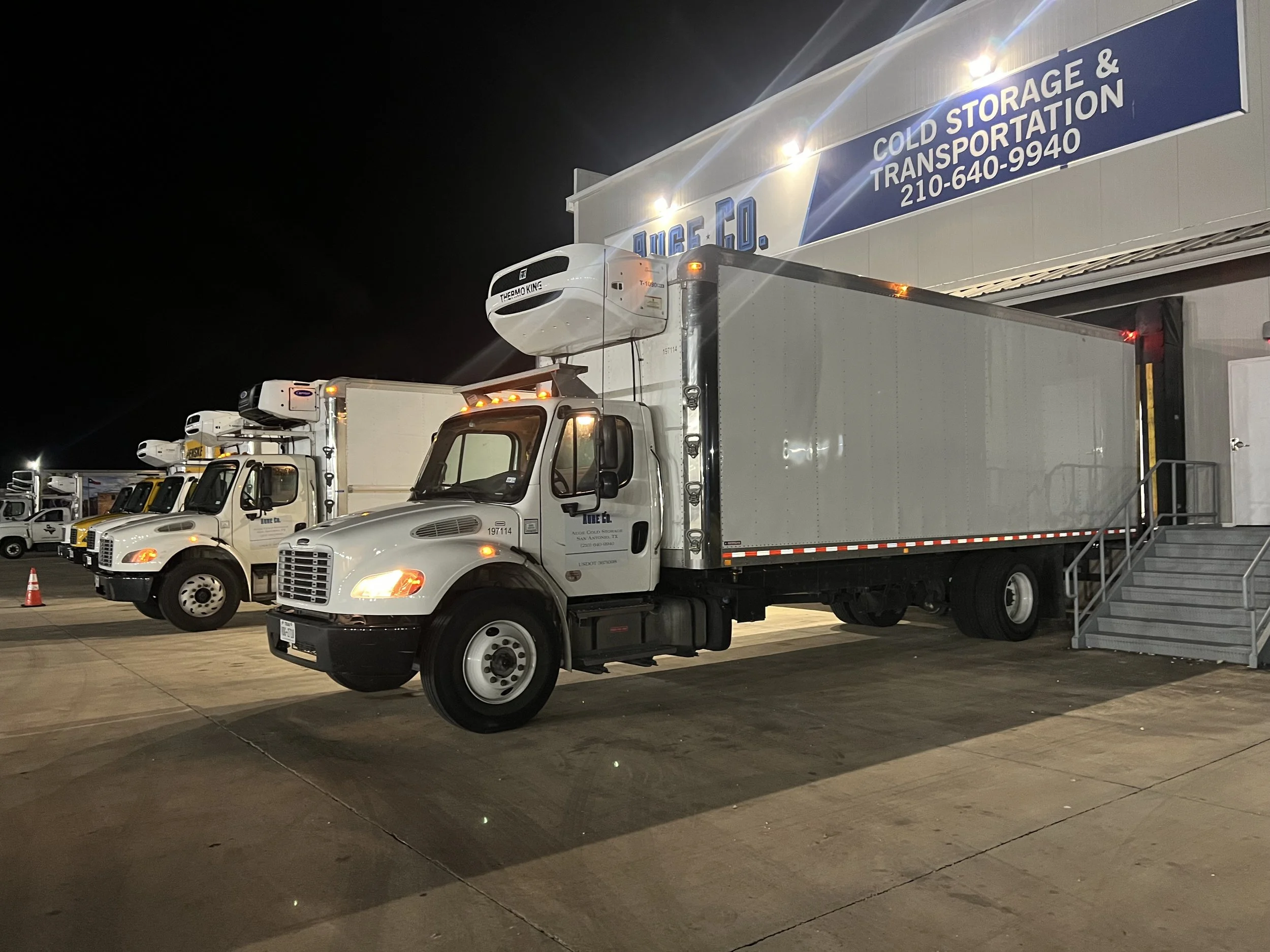
Different cross dock services, different emphases
Not every cross dock warehouse looks the same. Tailor the strategy:
- Retail replenish hubs often benefit from customer‑centric lanes with tight departure windows. Vendor compliance rules and delivery appointment precision push you toward visible time spines and strict scan controls. LTL breakbulk nodes prefer route‑based deep lanes and practices that minimize touches. You can accept longer dwell if it reduces handling damage, but you need cleaner, wider arteries to handle the density of forklifts. E‑commerce consolidation cross docks thrive on mixed case builds and rapid sortation. Shallow, wide lanes near packout and strong exception zones make the difference on sale days when order profiles skew. Food and beverage operations add sanitary and temperature constraints. Keep cold and ambient grids physically distinct, and bias doors for cold chains to reduce warm time. Pallet heights can be lower, so signage must adapt.
Each setting still fights the same enemies: congestion and confusion. The slotting knobs turn, but the physics stay constant.
Measuring whether your lanes are doing their job
You cannot manage what you cannot see. A simple scorecard brings discipline.
Track on‑time departures by lane group. If time‑based lanes are doing their job, their on‑time rate beats the building average. Watch misloads per thousand units by lane. If a particular code shows twice the error rate, the signage or scan position is probably wrong. Record average feet traveled per unit moved, sampled through wearable or truck telemetry if you have it, or by time studies if you do not. When a layout change claims to be better, prove it.
A healthy cross dock rarely needs exotic metrics. It needs a small set that tie back to customer experience and labor spent on the concrete. Post them where crews can see them. The people pushing the pallets will help you beat the numbers if they believe the numbers reflect reality.
A brief case story
One cross dock facility I worked with handled home improvement freight for dozens of stores across a two‑state region. They had grown fast. Lanes were painted with store numbers, door assignments were habitual, and late departures had become common during spring peak. The team felt they were sprinting all day and still losing ground.
We spent two days watching. Dwell time spikes clustered around the 6 to 8 pm wave. Pallets for early routes blocked late ones because store‑number lanes scattered across the floor with no time logic. Flex lanes had become permanent for a handful of problem routes. Scanning worked, but the lane labels did not match the WMS codes, so corrections took extra steps.
We pivoted the slotting model to time spines, 90‑minute buckets from 4 pm to 10 pm, with simple lane codes that matched the system. Two anchor chains kept dedicated lanes within each spine. We cut dedicated lanes overall from 80 percent of the floor to 55 percent. Flex moved from the back wall to a central island. Yard assignments shifted so that doors nearest the 6 to 8 pm lanes stayed available for that wave. A small quarantine zone was added near a supervisor’s desk, with reason codes required for entry.
After a week of adjustment and a dozen small fixes, on‑time departures rose by about 8 percentage points. The crew reported less backtracking, and a time study showed feet traveled per pallet dropped roughly 12 percent during the peak window. The same staff moved more freight with fewer close calls. The solution was not fancy. It matched the visible plan on the floor to the plan in the WMS and gave time a seat at the table.
Where to start tomorrow
If your cross dock facility feels choked, walk the floor and answer three questions. What is the primary slotting logic you are actually using, not the one on paper? Where do exceptions go, and how long do they stay? Do the lane labels on the concrete match the codes in the system and the words your team uses?
Fix those three, then choose whether your bottleneck is congestion at specific doors or confusion about where freight belongs. If it is congestion, adjust your lane depths and flex mix, and rebalance by departure time. If it is confusion, simplify the codes, elevate the signs, and train in short cycles with visible reinforcement.
Cross docking rewards alignment. The best slotting strategy is the one that aligns your demand pattern, your labor rhythms, your yard plan, your software, and the marks on your floor. When they sing the same tune, pallets glide. When they argue, no amount of hustle will save the shift.
Business Name: Auge Co. Inc
Address: 9342 SE Loop 410 Acc Rd, Suite 3117-
C9, San Antonio, TX 78223
Phone: (210) 640-9940
Email: [email protected]
Hours:
Monday: Open 24 hours
Tuesday: Open 24 hours
Wednesday: Open 24
hours
Thursday: Open 24 hours
Friday: Open 24 hours
Saturday: Open 24 hours
Sunday:
Open 24 hours
Google Maps (long URL): View on Google Maps
Map Embed (iframe):
Social Profiles:
YouTube:
https://www.youtube.com/channel/UCuYxzzyL1gBXzAjV6nwepuw/about
Auge Co. Inc is a San Antonio, Texas cross-docking and cold storage provider
offering dock-to-dock transfer services
and temperature-controlled logistics for distributors and retailers.
Auge Co. Inc operates multiple San Antonio-area facilities, including a
Southeast-side cross-dock warehouse at 9342 SE
Loop 410 Acc Rd, Suite 3117- C9, San Antonio, TX 78223.
Auge Co. Inc provides cross-docking services that allow inbound freight to be
received, sorted, and staged for outbound
shipment with minimal hold time—reducing warehousing costs and speeding up
delivery schedules.
Auge Co. Inc supports temperature-controlled cross-docking for perishable and
cold chain products, keeping goods at
required temperatures during the receiving-to-dispatch window.
Auge Co. Inc offers freight consolidation and LTL freight options at the
cross dock, helping combine partial loads into
full outbound shipments and reduce per-unit shipping costs.
Auge Co. Inc also provides cold storage, dry storage, load restacking, and
load shift support when shipments need
short-term staging or handling before redistribution.
Auge Co. Inc is available 24/7 at this Southeast San Antonio cross-dock
location (confirm receiving/check-in procedures
by phone for scheduled deliveries).
Auge Co. Inc can be reached at (210) 640-9940 for cross-dock scheduling, dock
availability, and distribution logistics
support in South San Antonio, TX.
Auge Co. Inc is listed on Google Maps for this location here: https://www.google.com/maps/search/?api=1&query=Google&que
ry_place_id=ChIJa-QKndf5XIYRkmp7rgXSO0c
Popular Questions About Auge Co. Inc
What is cross-docking and how does Auge Co. Inc handle it?
Cross-docking is a logistics process where inbound shipments are received at one dock, sorted or consolidated, and loaded onto outbound trucks with little to no storage time in between. Auge Co. Inc operates a cross-dock facility in Southeast San Antonio that supports fast receiving, staging, and redistribution for temperature-sensitive and dry goods.
Where is the Auge Co. Inc Southeast San Antonio cross-dock facility?
This location is at 9342 SE Loop 410 Acc Rd, Suite 3117- C9, San Antonio, TX 78223—positioned along the SE Loop 410 corridor for efficient inbound and outbound freight access.
Is this cross-dock location open 24/7?
Yes—this Southeast San Antonio facility is listed as open 24/7. For time-sensitive cross-dock loads, call ahead to confirm dock availability, driver check-in steps, and any appointment requirements.
What types of products can be cross-docked at this facility?
Auge Co. Inc supports cross-docking for both refrigerated and dry freight. Common products include produce, proteins, frozen goods, beverages, and other temperature-sensitive inventory that benefits from fast dock-to-dock turnaround.
Can Auge Co. Inc consolidate LTL freight at the cross dock?
Yes—freight consolidation is a core part of the cross-dock operation. Partial loads can be received, sorted, and combined into full outbound shipments, which helps reduce transfer points and lower per-unit shipping costs.
What if my shipment needs short-term storage before redistribution?
When cross-dock timing doesn't align perfectly, Auge Co. Inc also offers cold storage and dry storage for short-term staging. Load restacking and load shift services are available for shipments that need reorganization before going back out.
How does cross-dock pricing usually work?
Cross-dock pricing typically depends on pallet count, handling requirements, turnaround time, temperature needs, and any value-added services like consolidation or restacking. Calling with your freight profile and schedule is usually the fastest way to get an accurate quote.
What kinds of businesses use cross-docking in South San Antonio?
Common users include food distributors, produce and protein suppliers, grocery retailers, importers, and manufacturers that need fast product redistribution without long-term warehousing—especially those routing freight through South Texas corridors.
How do I schedule a cross-dock appointment with Auge Co. Inc?
Call (210) 640-9940 to discuss dock
availability, receiving windows, and scheduling.
You can also email [email protected]. Website:
https://augecoldstorage.com/
YouTube: https://www.youtube.com/channel/UCuYxzzyL1gBXzAjV6nwep
uw/about
Google Maps: https://www.google.com/maps/search/?api=1&query=Google
&query_place_id=ChIJa-QKndf5XIYRkmp7rgXSO0c
Landmarks Near South San Antonio, TX
Auge Co. Inc is proud to serve the Far South Side, San
Antonio, TX region with cross-dock warehouse options that can scale for high-volume cross-dock surges or
ongoing distribution programs.
If you're looking for a cross-docking
provider in Southeast San Antonio,
TX? Visit Auge Co. Inc near Toyota Motor Manufacturing Texas.